Where: Berlin, Germany
When: August 3, 2013
With: Dave
As I mentioned in my earlier post, Berlin is attempting to recover from the last 100 years of history to regain some of the glory of its first 700. Unlike most European cities, there aren't many old buildings left. Most were destroyed during the bombings of World War II and replaced with the stark and rigid structures that came along with the communist rule of the Cold War. Berlin was like a slate wiped nearly clean. However, an architectural renaissance has begun and Berlin is hoping to change its face going forward.

A prime example of Berlin attempting to reinvent itself is in the Reichstag. Built in 1894, the Reichstag served as the seat of Parliament shortly after Germany became a unified country.
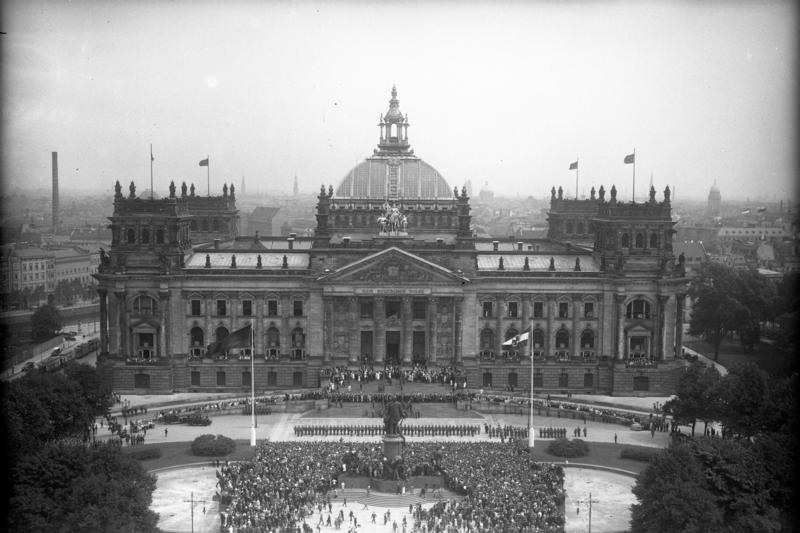


However impressive the modern building was though, the aspect that resonated with me was the impact that German Jews had on the construction of the building. The intricate stonework and design on the facade was done mostly by Jewish masons. Most of the photos in the current exhibit of Parliament in-session pre-1933 were taken by a Jewish photographer. Almost all of these individuals who lived to see the 1930s were put to death in the Holocaust.


An ever-present reminder of an iconic structure from Berlin's past that is now long gone: the Berlin Wall. A brick line of its former perimeter runs throughout the whole city.


At the top sits a bar, which we made reservations to visit. Though it was dark, the views allowed us to just appreciate how huge this city is.


When: August 3, 2013
With: Dave
As I mentioned in my earlier post, Berlin is attempting to recover from the last 100 years of history to regain some of the glory of its first 700. Unlike most European cities, there aren't many old buildings left. Most were destroyed during the bombings of World War II and replaced with the stark and rigid structures that came along with the communist rule of the Cold War. Berlin was like a slate wiped nearly clean. However, an architectural renaissance has begun and Berlin is hoping to change its face going forward.
The massive amount of construction that has descended upon this city is apparent by the numerous construction cranes that dot the skyline.

A prime example of Berlin attempting to reinvent itself is in the Reichstag. Built in 1894, the Reichstag served as the seat of Parliament shortly after Germany became a unified country.
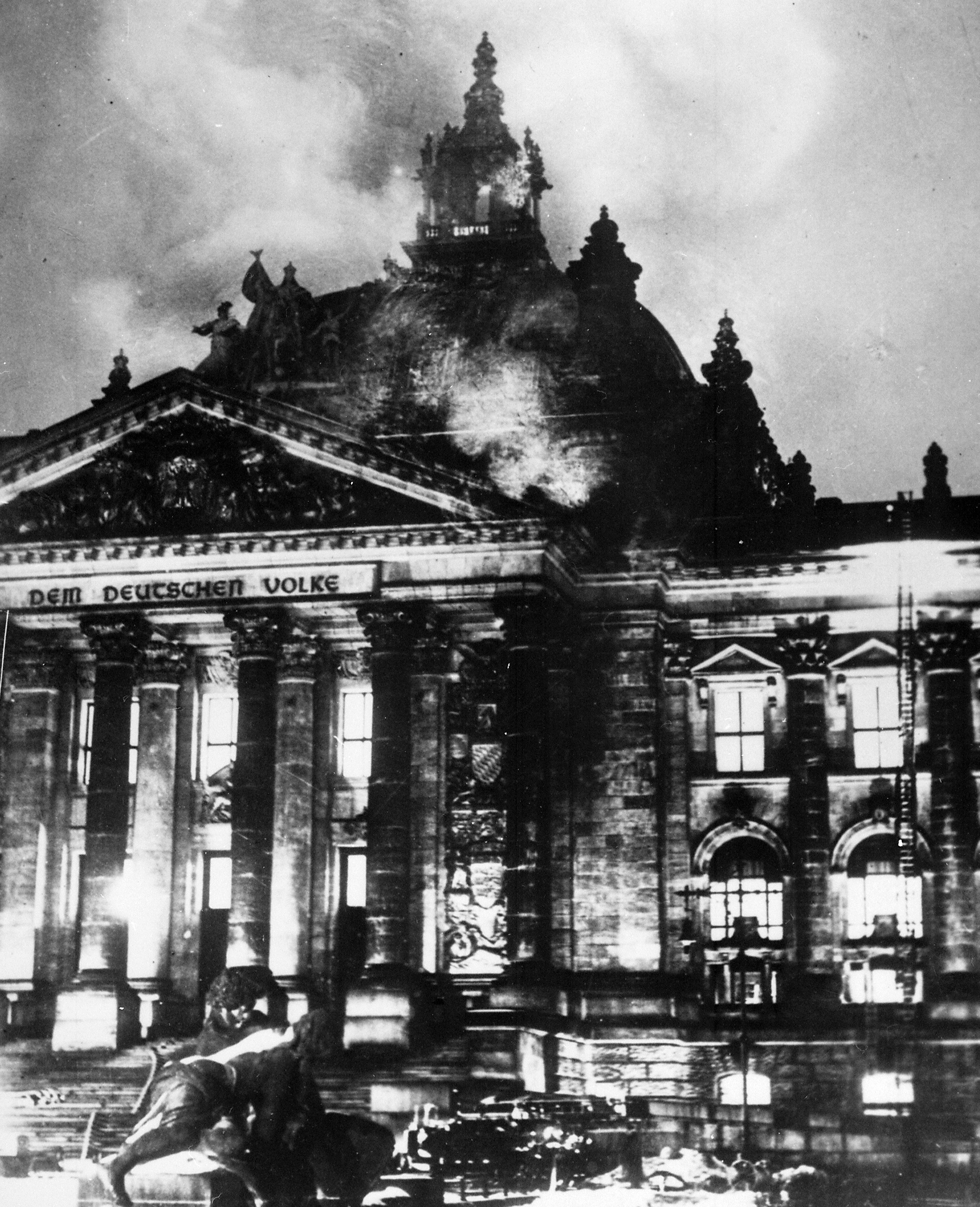
When the National Socialist party gained the majority vote in 1933, Hitler moved his Parliament to a nearby opera house. Shortly thereafter, the unused Reichstag was set on fire and blame was laid on communists (though the real culprit is still up for debate). Hitler used the fire to remove all power from his adversaries in government and increase state "security". The Reichstag and its former Parliament were rendered useless and the seeds were laid for the beginning of the next world war. (The fact that Hitler never sat as the leader of Parliament in the Reichstag is a point the current German government wishes to make abundantly clear as you tour this building, distancing themselves from Hitler by referring to his ruling years as a "sham excuse of a government".)
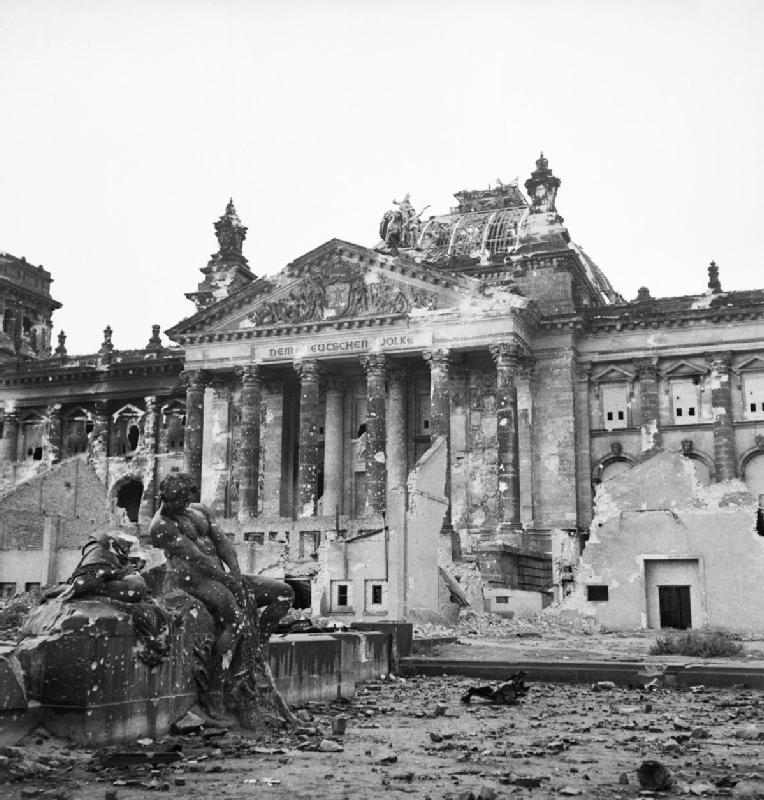
During World War II, air raids nearly destroyed the building and completely demolished its dome. Between that and the fire, this building was in need of some serious repair.
Restoration efforts began in the early 1960s. The front facade was restored and looks almost the same as it did in the original photos. As the dome had been completely demolished, the architect started from scratch, redesigning it as an innovative glass and steel structure, allowing natural light to enter into the Parliamentary sessions that are held below.


Today, visitors to the Reichstag are allowed to tour the rooftop and dome. From the roof, there are unbeatable views of Berlin's skyline.

Inside the dome, a long ramp spirals along the perimeter all the way up to the top. Along the way, an audio guide explains the history of the building and the buildings of Berlin's skyline. The dome itself is an innovative wonder of nifty tricks, including moving mirrors that deflect the sun from the eyes of tourists, yet provide maximum natural light to Parliament below. The open top of the dome uses physics to suck stale air out from the rooms below.


A short walk from the Reichstag sits an area that shows the modern direction in which Berlin is heading. Potsdamer Platz looks like the Financial District of downtown Manhatten. There is no memory of the 800 year old town left behind here.


The Sony Center, a modern architectural gem just off the plaza, housed an Imax and a shopping mall. I didn't even feel like I was in Germany here...until we grabbed lunch and I had my first Weinerschnitzel and stein of the trip!


Another architectural showpiece of the city is the Jewish Museum. A cultural museum focused on the history of Judaism over the last 3,000 years, the exterior is meant to look like a building that has suffered some nasty wounds. While the Holocaust was not necessarily the focal point of the exhibits, there were several memorials to those horrid events, including the individually crafted steel plates in the shape of screaming faces meant to represent the souls lost during the war.


An ever-present reminder of an iconic structure from Berlin's past that is now long gone: the Berlin Wall. A brick line of its former perimeter runs throughout the whole city.

Berlin's most eye-catching building now is the TV tower. Built in 1969, at 1,207 feet, this remains the tallest structure in Berlin. While the communist leaders of East Germany built it as a tribute to Sputnik, it now is a staple of Berlin's skyline.

At the top sits a bar, which we made reservations to visit. Though it was dark, the views allowed us to just appreciate how huge this city is.


While we sat drinking cocktails looking at the twinkling lights of Berlin, we reflected on just how much this city is still evolving. It feels like Berlin is a teenager trying to find himself, but hasn't quite figured out who he wants to be yet. However, Berlin is older than its face shows and is just trying to put the memories of its recent past behind it.
No comments:
Post a Comment